A History of the Wax Seal in Legal Documents
From medieval royalty to the modern precision of Scribe & Seal.
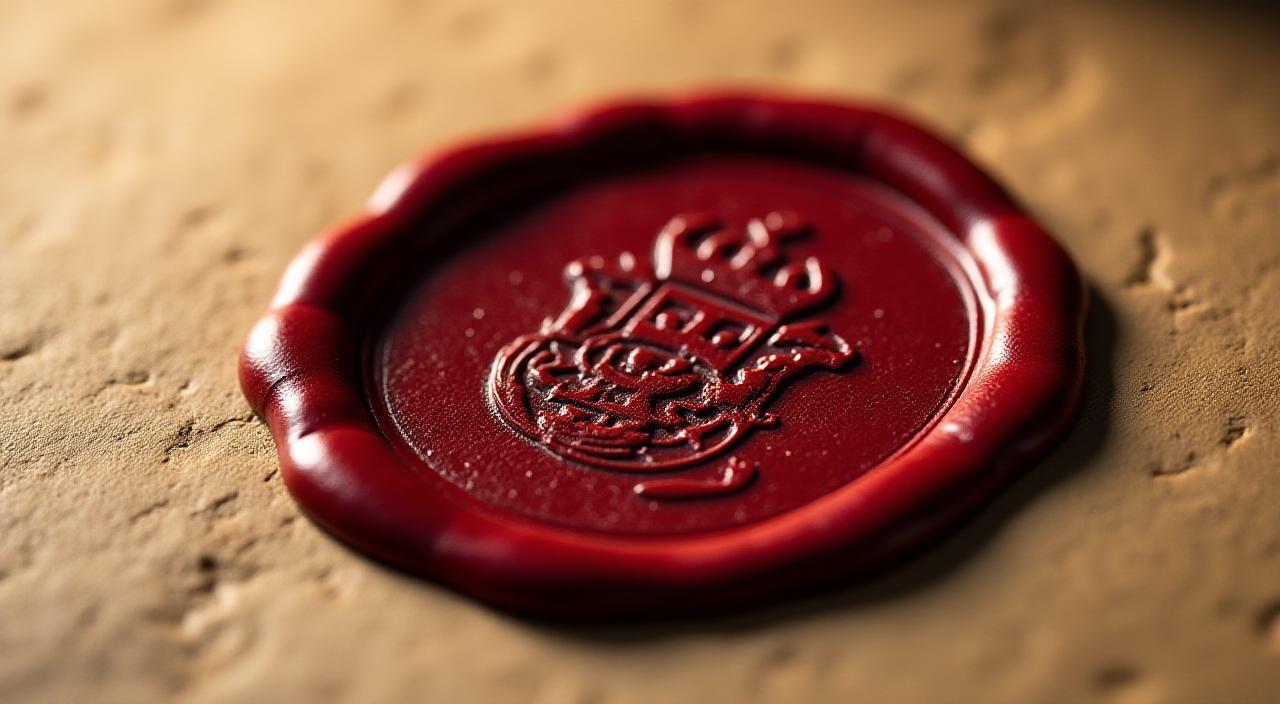
Origins: The Mark of Sovereignty
The wax seal has served as a primary instrument of authentication for over a millennium. In the medieval period, when literacy was a privilege of the elite and clergy, the physical impression of a signet ring into molten wax was the only way for royalty and noblemen to 'sign' their decrees. It wasn't merely a decoration; it was the legal embodiment of the sender's presence and authority.
By the 13th century, the use of seals had spread from the crown to bishops, and eventually to commoners. The legal weight of a document was held not in the signature, but in the integrity of the seal—a broken seal was synonymous with a broken promise or an invalid contract.
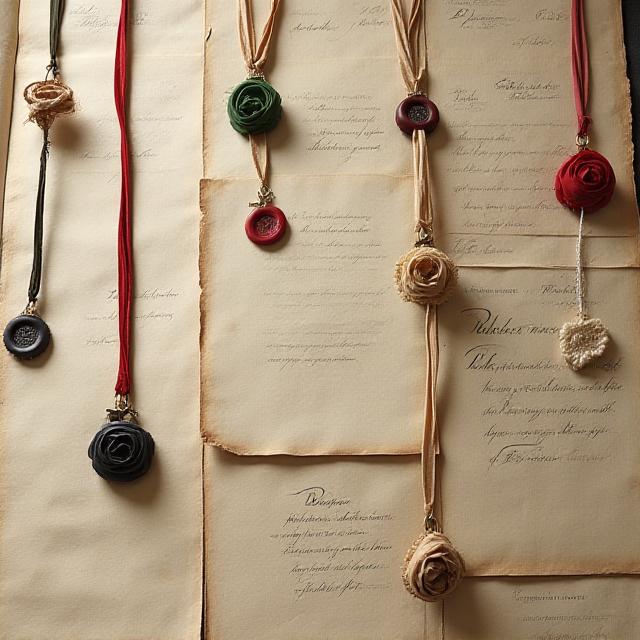
Evolution of Style
While early seals used beeswax and resin, the 'Spanish Wax' introduced in the 16th century brought the vibrant reds we recognize today. This transition allowed for finer detail in engraving, enabling more complex family crests and legal symbols to be rendered with meticulous clarity.
Modern ceremonial Importance
In our digital age, the wax seal has found a new purpose. At Scribe & Seal, we utilize these historic marks for ceremonial partnership deeds, high-stakes private agreements, and luxury legal services. The physical act of breaking a seal creates a psychological weight to an agreement that a digital signature cannot replicate.
Our Craftsmanship Gallery
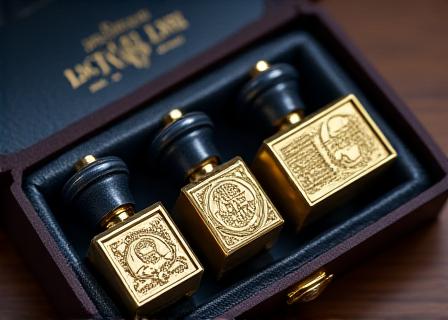
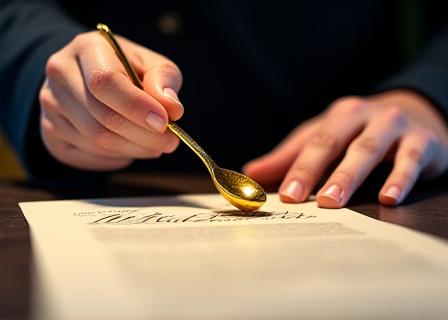
Elevate Your Legal Heritage
Whether drafting a family trust or a formal partnership deed, a Scribe & Seal wax impression ensures your document is more than just a contract—it is a legacy.
Inquire About Custom Seals